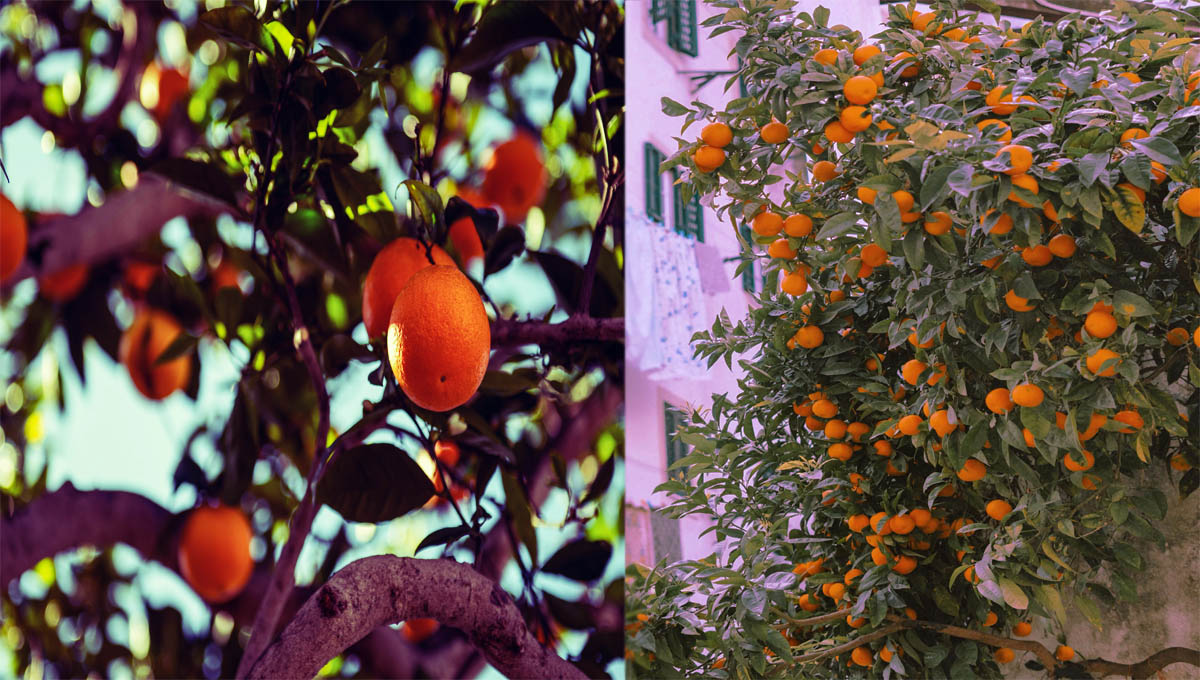
I presume it’s fair to say that you’re not an expert on this matter if you only planted a new fruit tree in the last few days. Poor care behavior kills more fruit trees in their early years than any disease or pestilence. As a result, it is essential that you learn how to care for trees in a way that guarantees not just their immediate success but also their long-term well-being.
- What is the best way to protect fruit trees?
- How to properly care for an apple tree?
- What is the best treatment for fruit trees?.
- What is the best thing to put around fruit trees?
The roots, trunk, and branches of the tree have not yet fully evolved into a self-supporting force throughout the tree’s primary existence. Hence, if your tree is growing end product, the mixed weight is occasionally enough to break off a whole limb. If this is the case, you need to support your branches with outside assistance, such as forums or connections to something at a higher altitude. No matter how long you can give your tree the guidance it needs in these early years, it should eventually become self-sufficient.
The maintenance of healthy fruit production depends on good nutrition, and it is also essential for the tree to live for more than one season. Although the precise requirements change depending on the location, climate, and kind of tree, I have found that nursery employees are the best authority. Although they might just be trying to sell you the right kind of fertilizer, they are, in my opinion, nearly entirely correct. Simply tell them about the conditions under which your tree is growing, how well it appears to be doing, and that they should be able to assist you in finding anything to improve its condition.
Many people believe that giving a tree massive amounts of water is the best way to guarantee its future well-being. Not every aspect of this is always true. Giving a tree too much water might be more detrimental than depriving it of water, according to the be counted of truth. At the very least, the flavor of the fruit will be adversely affected. However, the worst case scenario is that your whole tree might die, making it impossible for you to ever cultivate fruit again. Therefore, stop attempting to solve your problems by giving it lots of water! Get to the root of your tree’s health problems, so to speak. Tie down the location where the issue began.
You should always get rid of unhealthy branches that appear diseased or damaged, even if it’s miles too late. The tree is essentially wasting all the nutrients it might use on the other, healthier branches if it is utilizing them with the help of sending them out to the branch that cannot be stored. Cut off any branch as soon as you notice that it is getting worse or unhealthy. At the very least, cut away the harmful part, but leave all the sections that appear to have potential for growth.
By no means should you leave any fruit on the ground that is about to fall once your tree has begun to enter the choosing stage. In addition, make sure to remove all of the pieces from the tree. You should still choose and discard the fruit, even if it is miles away and looks horrible and there is no need to keep it. These apexes provide a perfect habitat for harmful pests or illnesses that could spread to the tree once they start to deteriorate. Therefore, always think about gathering up those fallen peaks, and you’ll save yourself a lot of misery in the days to come.
Purchasing a fruit tree and being concerned about it at some point in its life may be a frightening endeavor. Furthermore, it may occasionally seem hard to keep track of all the factors that contribute to a tree’s health. But if you simply pay attention to the nutrients that your tree requires, you should be on the right path. Determine the proper amount of water you should be giving your tree to keep it from being thirsty without killing it. Simply follow all of these steps to ensure that your tree is of the highest quality and yields delectable results.